


Uniphore Customer Service AI
Uniphore Marketing AI
Uniphore Sales AI
Uniphore People AI
Contact center automation is the process of assigning tasks traditionally performed by contact center agents to technologies like artificial intelligence (AI), machine learning, and workflow automation. Tasks assigned to contact center automation are typically repetitive, resource-intensive, and/or time-consuming in nature, such as managing customer inquiries, summarizing calls, and streamlining workflows. By automating these processes, contact centers can improve efficiency, reduce operational costs, and enhance customer experience by allowing human agents to focus on more complex issues.
“Uniphore’s product development and go-to-market strategy is focused on automating customer service operations. It is a pioneer in delivering conversational AI capabilities and has a differentiated value proposition for organizations looking to automate and optimize processes across the customer service value chain.”
Amardeep Modi | Practice Director
Contact center automation has been around for years. In fact, many of the processes automated today can trace their roots to innovations that emerged in the 1960s and 1970s. As technology evolved, contact centers began automating more complex tasks. With the rise of AI, the possibilities for contact center automation exploded. Today, contact centers worldwide use AI to automate a wide variety of frontend and backend tasks and processes.
However, not all automation programs look the same. Even with AI, contact center automation can take on different forms, based on the underlying technology. Many early adopters adopted AI as a “bolt-on” or point solution to their existing call center tech stack. While this approach allowed them to automate certain key processes, its capabilities were limited to the programs at hand. As a result, contact centers found themselves “locked in” to legacy systems, unable to keep pace with the speed of innovation.
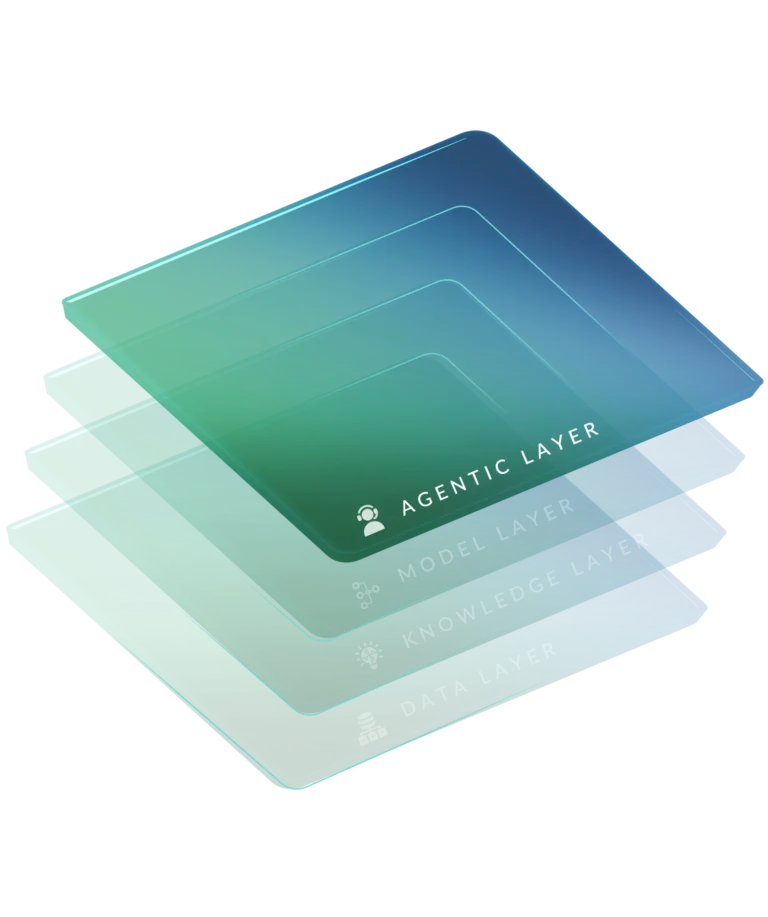
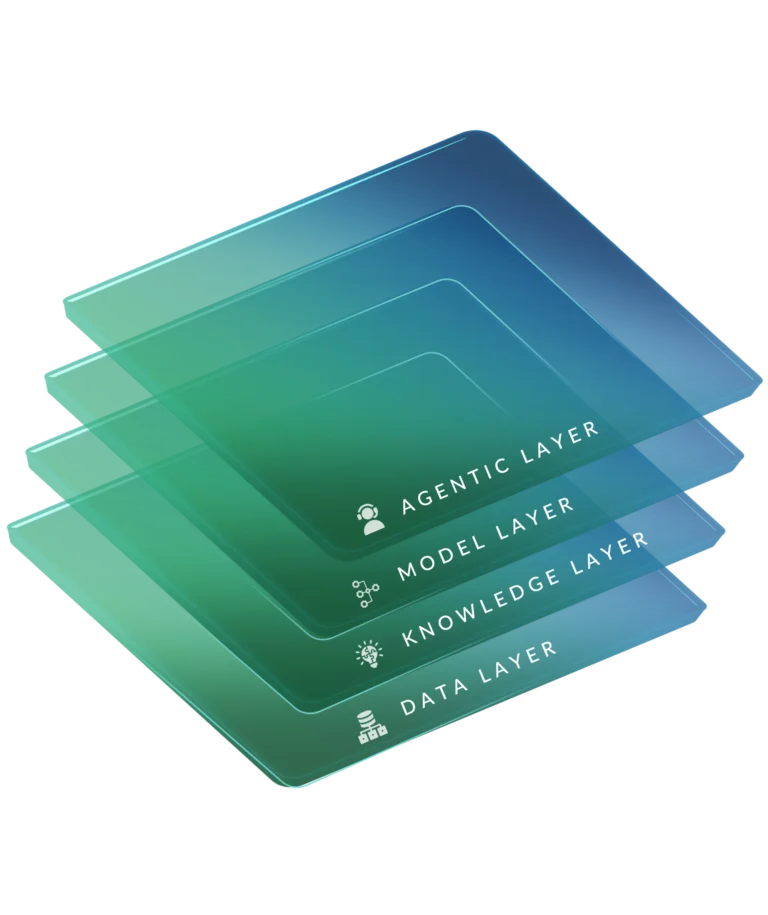
The solution: low code contact center automation. Developed by AI pioneers like Uniphore, low code contact center automation enables organizations to add a layer of advanced automation capabilities on top of their existing tech stack. Contact centers can adjust this layer as their tech stacks evolve, allowing for continuous flexibility and scalability to meet evolving business needs.
Almost every business recognizes the importance of customer experience, but very few receive high Net Promoter Scores (NPS) from their customers. That’s because it’s nearly impossible to deliver an effortless customer experience today using yesterday’s tools and resources. No wonder customer experience leaders routinely cite lack of budget and lack of integration as their biggest impediments to delivering world-class customer service. However, with low code contact center automation, businesses can easily add automatable capabilities to their legacy platforms—without costly coding and design work or investing in a start-from-scratch solution.
Multimodal Intelligent Virtual Agents
Real-time Agent Assist & Unified Desktops
End to End Contact Center Automation
Advanced Analytics & Knowledge Automation
We selected Uniphore due to the time-to-market advantages of their software and approach, and their expertise and success in simplifying and automating customer service processes.
Uniphore provides a flexible, adaptable and scalable solution that is very compatible with our existing infrastructure and strategic direction. The ability to implement the solution quickly, without modifying our existing systems or infrastructure, was key in our decision to go with Uniphore
Srinivas Koushik | Chief Information Officer
Nationwide Insurance
When it comes to use cases for contact center automation, different businesses have different needs. For that reason, it’s important to first identify your business’ unique use cases—and the outcomes you hope to achieve—before you begin shopping for a contact center automation solution. That said, there are several contact center automation use cases that are common across multiple industries and business models:
Contact center automation—particularly low code automation—can be easily applied to a number of frontend and backend processes. On the front end, contact center automation can help customers solve simple or routine requests on their own with minimal effort. Self-service solutions, like Uniphore’s Self-Service Agent, for example, can increase self-service adoption rates and keep low-value calls out of busy call queues.
So much of what prolongs calls—and frustrates callers and agents alike—isn’t customer interaction; it’s manual tasks. Data entry and other administrative tasks—especially those that require customers to wait or be put on hold—can slow calls to a crawl. Contact center automation can take that burden off agents’ shoulders, enabling customer service teams to slash call times and holds, often dramatically.
Call center agents are only human, and humans make errors. That isn’t the case with process automation tools. By automating activities like data entry and process execution, call centers can reduce the number of errors associated with human input and improve process accuracy system wide.
From generating call summaries and dispositions to executing follow-up or follow-through actions, after-call work (ACW) can eat up agents’ time and keep them off the lines. Contact center automation can make quick work of these time-consuming tasks. By automating call summaries using conversational AI-captured data during calls, businesses can reduce the amount of post-call “clean-up” work agents must perform. Contact center automation can also improve promise management by notifying agents when to fulfill follow-up/follow-through actions or by automating those actions outright.
As mentioned above, there are many different types of contact center automation. And while low code contact center automation may seem like the obvious choice, many software vendors still offer “bolt-on” and point solutions. While these solutions have become more sophisticated, they’re still built for the technology of now—not for what’s coming next.
At Uniphore, we believe contact center automation should be accessible to all. No vendor lock ins. No tech stack limitations. That’s why we built our low code solution with every business in mind. Now, customer service providers across all industries can easily create a best-in-class customer experience—no coding experience or outside tech support needed. Best of all: it’s ready for whatever the future brings.
That’s critical for enterprises evaluating contact center automation solutions. In addition to ensuring your investment is “future-proof”, other important considerations include:
This capability allows you to deliver effortless experiences for your customers and your employees. Create rich UX with forms, menus, buttons, carousels, videos, images, and more. The right solution should let your team develop and deploy changes, manage versions, and more while fully integrating with backend systems—all under mature governance processes that ensure business agility and robust systems management.
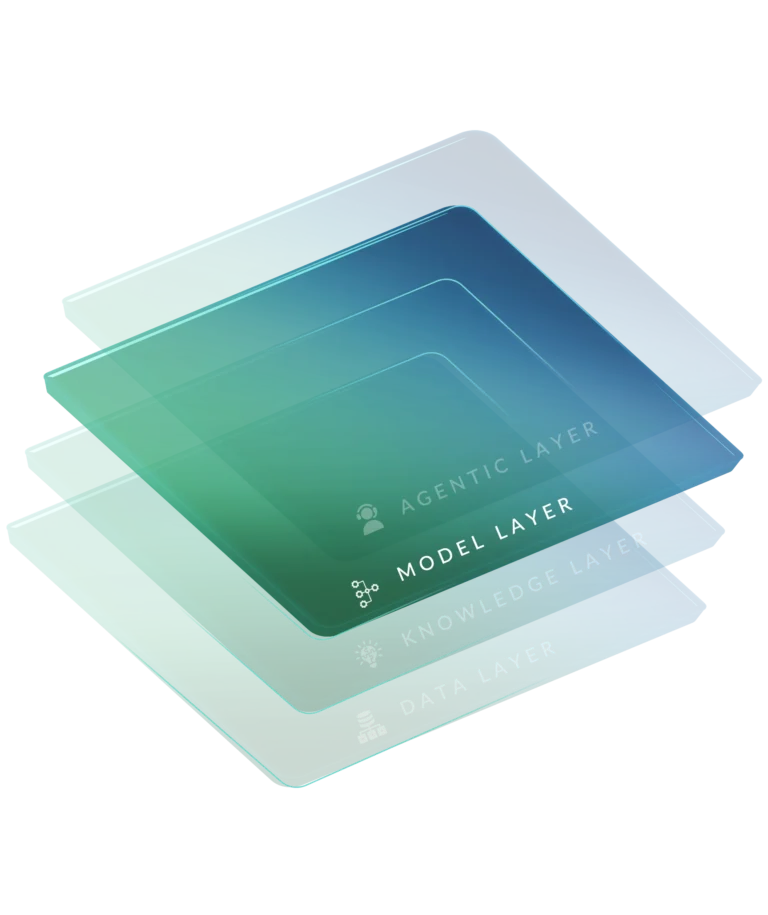
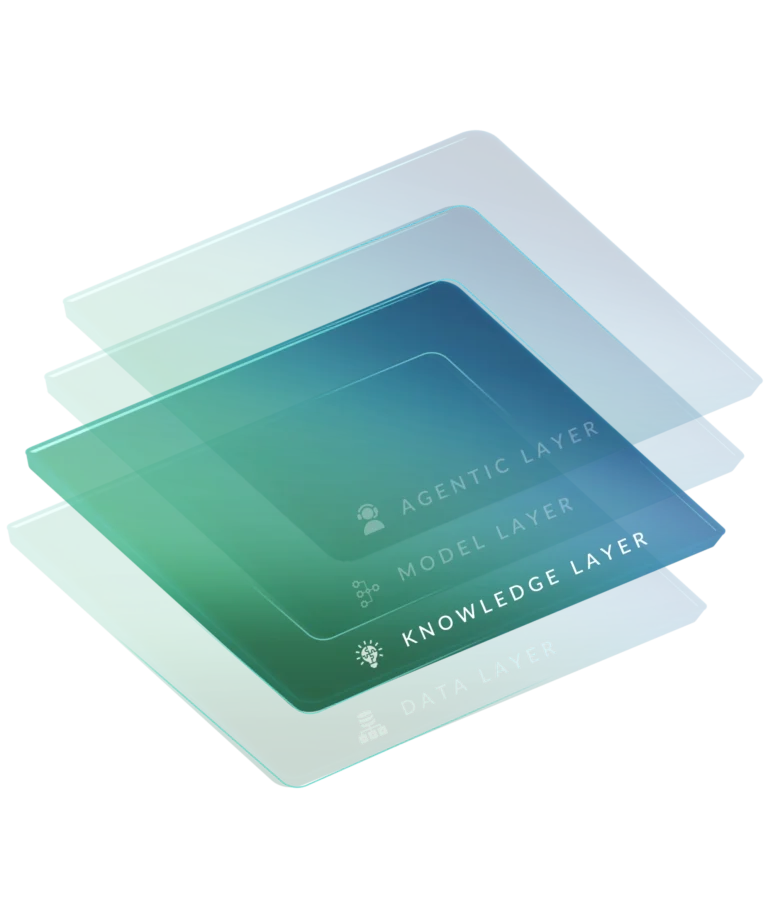
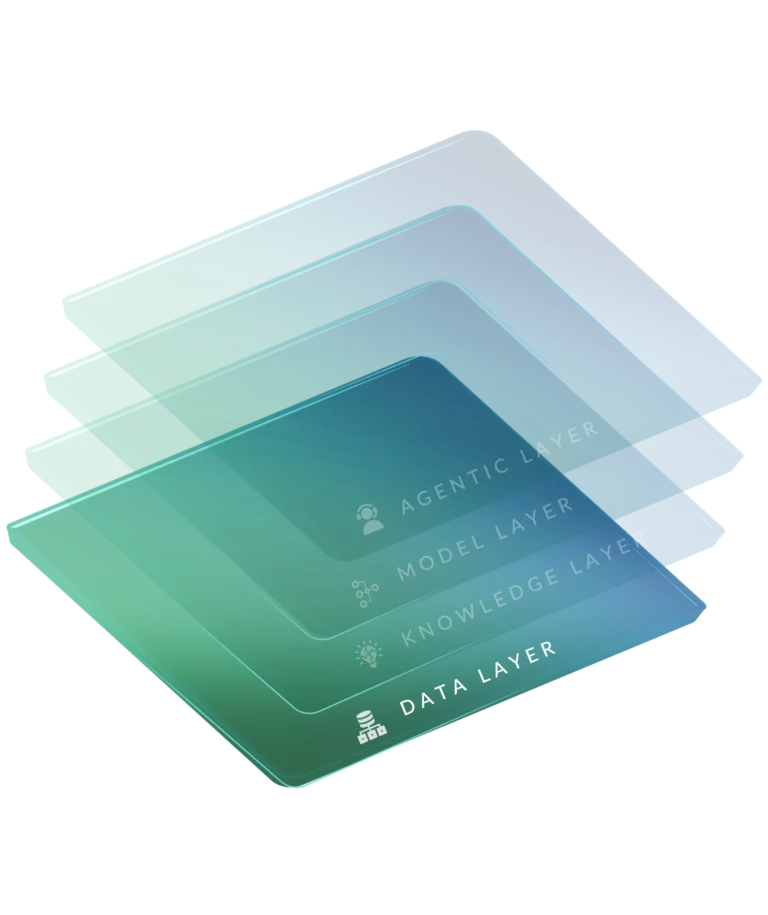
Look for a solution that lets you understand 100% of every conversation. Uniphore’s multilayered platform, for example, lets you accurately analyze multiple dimensions of human communication—including intent, sentiment and emotion—across multiple channels. You choose the best AI model that fits your needs with total sovereignty. Design your conversations and all the integration your intelligent virtual agents will need using no-code design and automation tools.
Make sure the contact center automation solution you choose can integrate with any system using standard web services and APIs—all from the same low code automation platform.
In today’s globally connected market, multilingual support is no longer optional. Look for a solution with robust natural language understanding (NLU) that can support the many languages your customers speak. With Uniphore, you can automate your processes and conversations from the same no-code designer and simply configure support for multiple languages and scale your automations for your culturally diverse customers and employees.
When it comes to improving the customer experience or boosting employee engagement, one size doesn’t fit all. The right solution will help you learn why some customers and employees adopt your solutions while the rest don’t. You should also be able to run experiments, examine heat maps and other reports generated from detailed audit data.
Your contact center automation and AI strategy is only as good as the data you feed it. That’s why it’s important to look for a solution that lets you access your data from anywhere—whether it’s on a multitenant public cloud, private cloud, or on premise.
Our contact center automation platform is available across multiple geographies and supports consumers and businesses in many languages. Whether it’s B2C, B2B or B2B2C, we’ve helped clients automate customer operations at scale. Sign up as a tenant in our public cloud or install the software in your private cloud or on-premise data center—the choice is up to you.
For decades, businesses have relied on contact center automation to drive operational efficiency and improve customer service. And with the rise of AI, they’re able to automate increasingly complex tasks and processes. That’s particularly true for businesses that embrace low code contact center automation.
Unlike traditional point solutions, low code platforms like Uniphore’s offer businesses greater agility, efficiency, and customer satisfaction without disrupting their existing tech stack. This approach enables organizations to deliver faster, smarter, and more personalized customer service at scale.
More importantly, low code contact center automation prepares organizations for whatever the future may bring. And with the pace of innovation moving faster than ever, that approach brings more than peace of mind—it guarantees that your investment will continue to add value the longer you use it.