
PLATFORM
THE UNIPHORE BUSINESS AI CLOUD
A sovereign, composable and secure AI platform spanning data, knowledge, models, and agents.
The Uniphore Business AI Cloud combines a consumer-like interface with the security, control, and scalability enterprises require.
Built on a composable, sovereign, and secure architecture, it connects proprietary data, fine-tunes models, and powers intelligent agents — all in one platform optimized for business users and IT alike.
The Uniphore Business AI Cloud
A Complete Stack
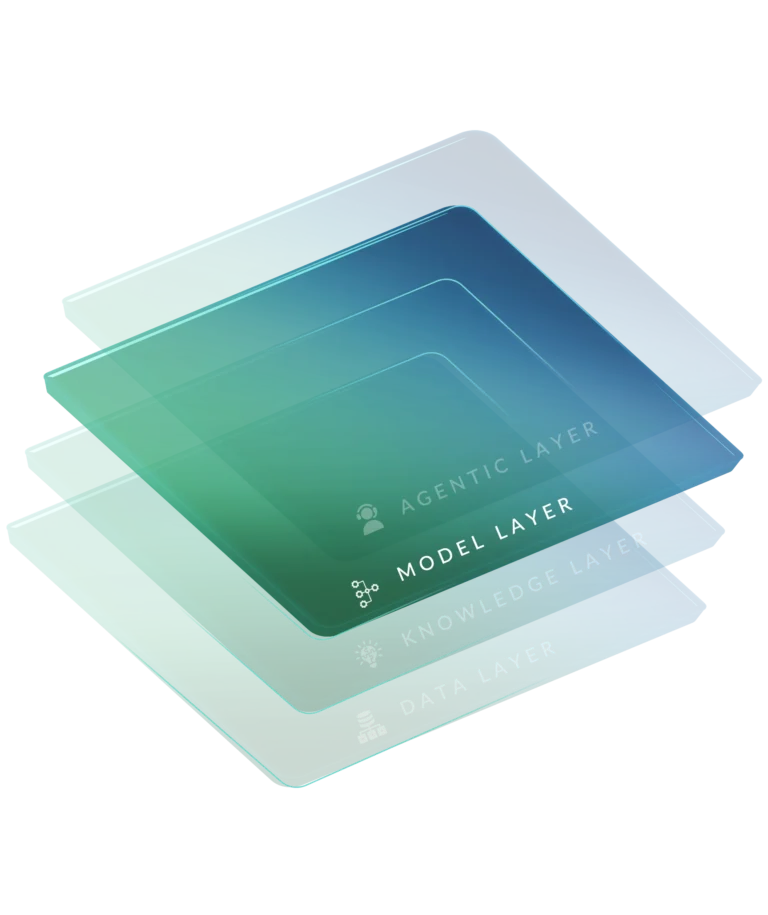
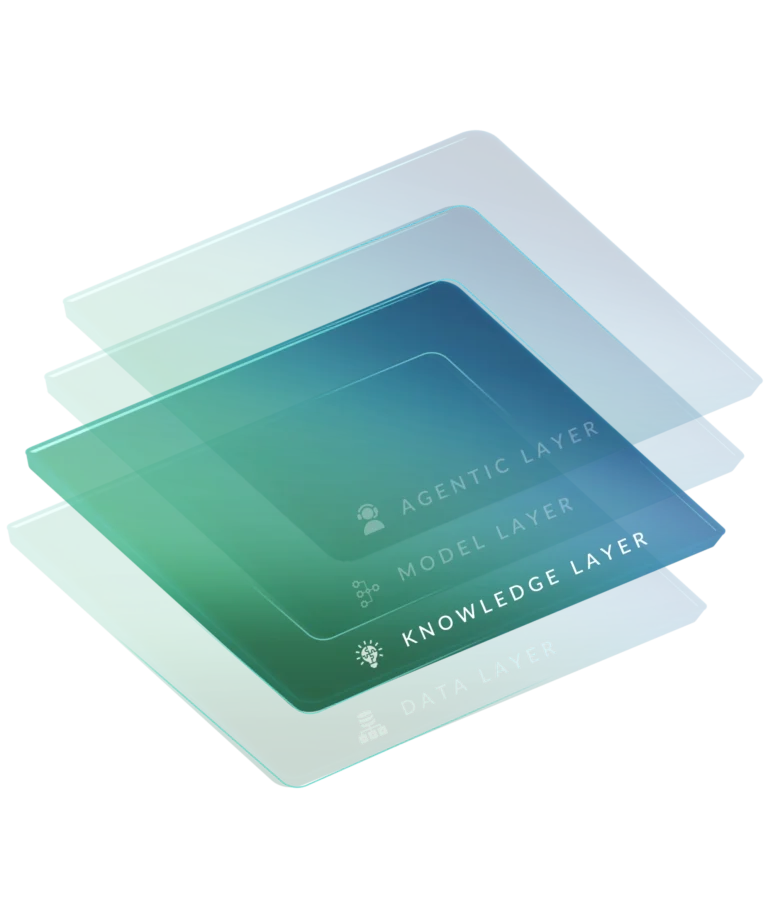
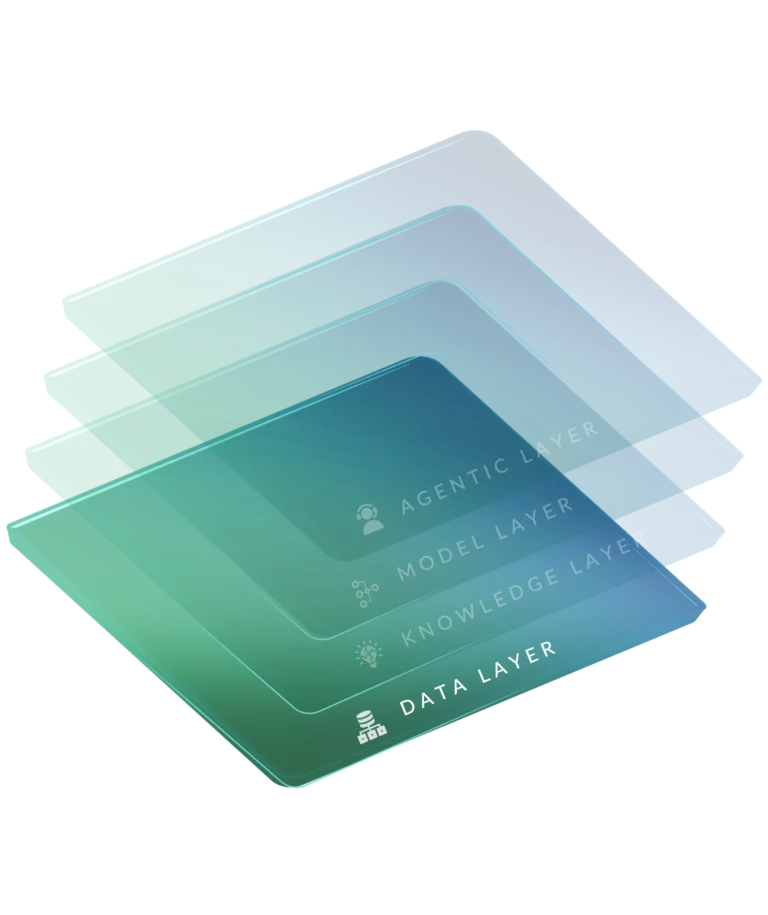
Power the agentic enterprise with a full-stack AI platform spanning data, knowledge, models, and agents.
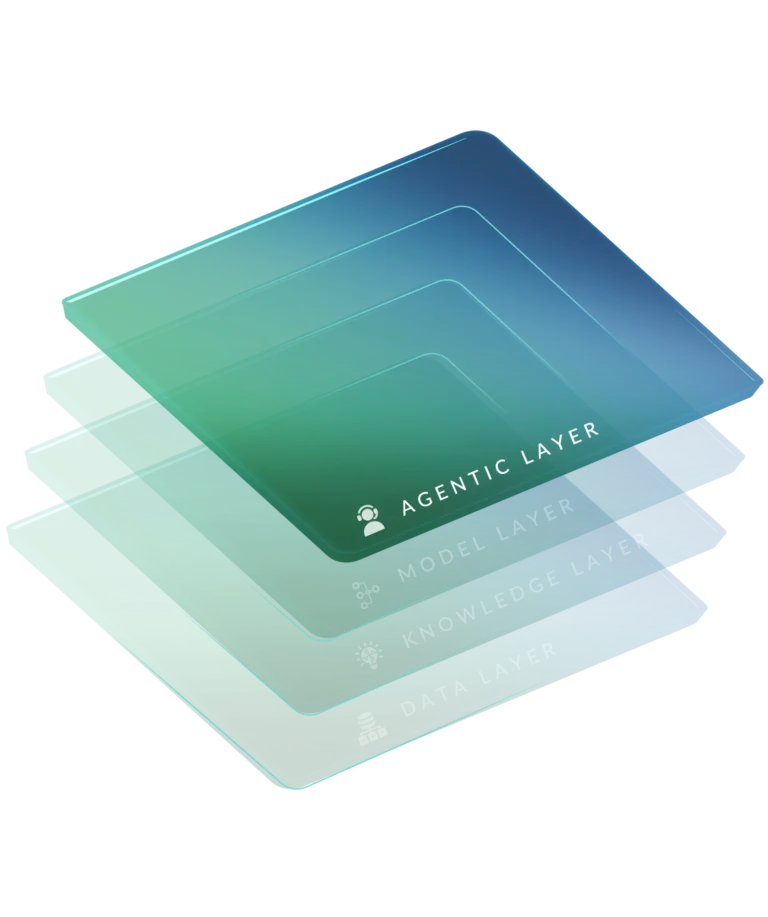
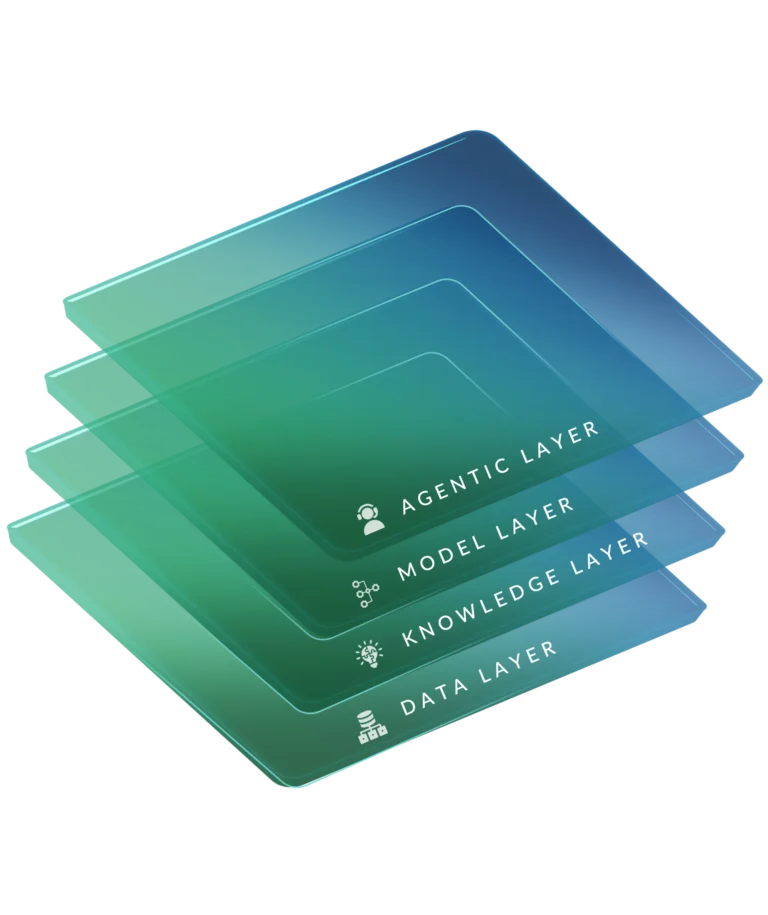
AGENTIC LAYER
- Build a library of agents — reasoning, research, & task execution
- External integration through Model Context Protocol (MCP)
- Multi-agentic workflows through BPMN-based visual design
MODEL LAYER
Orchestration Guardrails Model Garden Industry Models BYO Models
- Model orchestration across open, closed or fine-tuned models
- AI security through built-in guardrails and policy control
KNOWLEDGE LAYER
- Factory for SLM fine-tuning
DATA LAYER
- Multi-cloud, multi-data compute
- Data automation agents
- Structured and unstructured data
The Uniphore Business AI Cloud – Platform Foundations
MIT Technology Review Insights
Going beyond pilots with composable and sovereign AI
A Complete AI Platform to Power the Agentic
Enterprise
Unify data, knowledge, models, and agents in a secure, composable stack — enabling business users to deploy AI agents instantly and IT leaders to scale trusted, enterprise-grade applications.
>90%
Retrieval accuracy
7x
Time reduction to deploy AI apps
Create a composable data fabric
Connect data across any platform, app, or cloud and transform it into contextual knowledge for Al-driven decisioning and automation.
Build proprietary small language models (SLMs)
Fine-tune or create domain-specific models that deliver higher accuracy, faster performance, and lower cost than general-purpose LLMs.
Ensure interoperability across Al ecosystems
Seamlessly integrate with both open and closed-source LLMs to preserve flexibility, control, and governance across your enterprise Al stack.
Understand, orchestrate, and automate processes
Discover hidden workflows, model complex business logic, and drive end-to-end automation with Al agents that learn and adapt continuously.
Deliver intelligent, multi-agent workflows
Design and deploy business-intuitive Al systems-where multiple agents collaborate securely to achieve outcomes across departments and functions.
Why Choose the Uniphore Business AI Cloud
Built for Business Users and CIOs
Empower business users to deploy AI with a consumer-like interface powered by natural language, while giving IT the governance, security, and control required at enterprise scale.
Open, Interoperable, and Enterprise-Ready
Work with any model, cloud, or data source. Uniphore integrates seamlessly with your existing enterprise technology and data stack, without lock-in to a vendor or architecture.
Enterprise-Grade Security & Control
Maintain full sovereignty over your data and intellectual property. Securely manage your data with role-based access controls and embedded guardrails, ensuring users only access what they are authorized to see.
Business AI Cloud User Interface
Uniphore Business AI Suite
Enterprise AI solutions that deliver engaging customer and employee experiences.
For us, it wasn’t about adding AI for the sake of it—it was about deploying agents that could operate with real autonomy and deliver measurable CX improvements. Uniphore’s Agentic Layer gave us that edge, with pre-built and custom agents that scaled across our contact centers globally.
ResultsCX